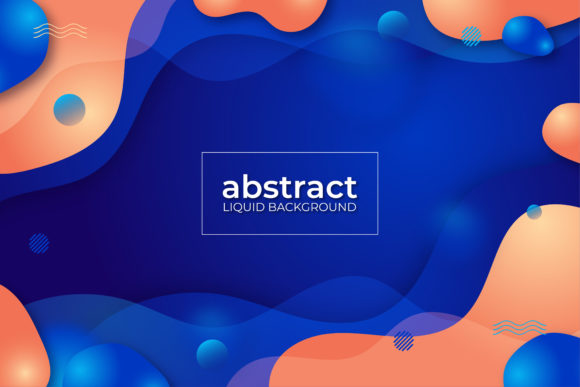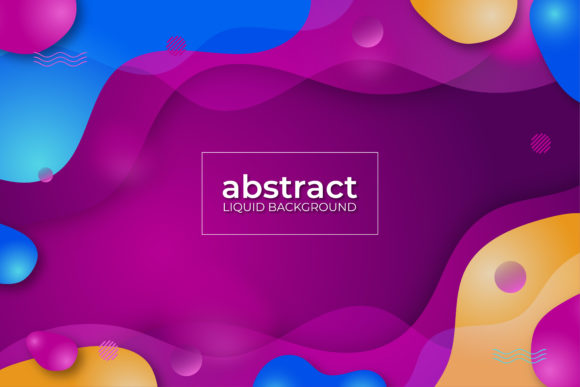
Abstract Colorful Liquid: A Modern Design Essential
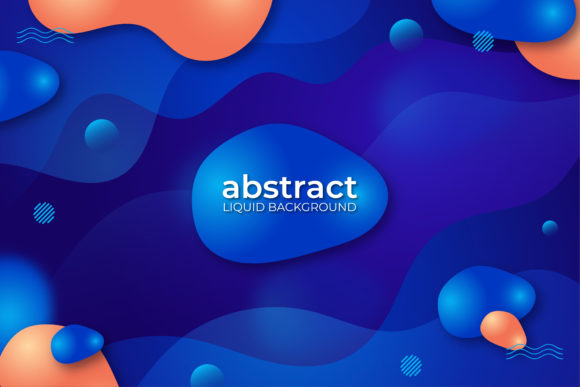
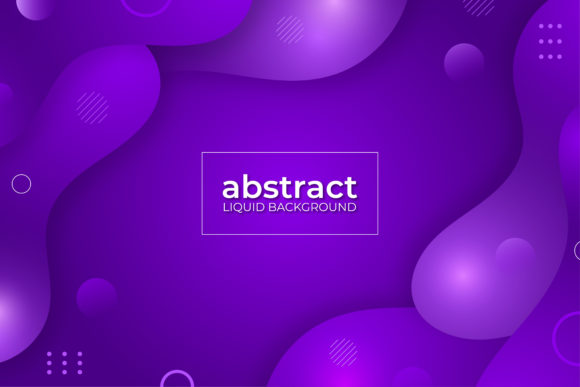
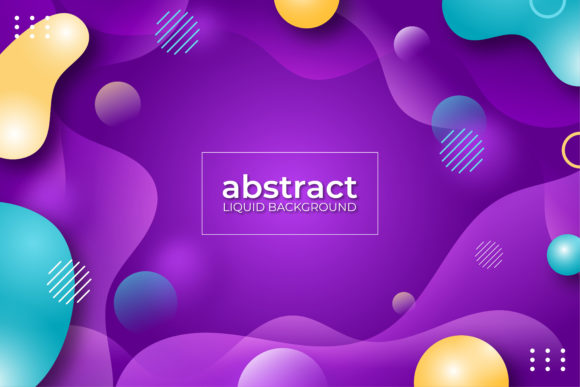
In the ever-evolving landscape of digital design, static images often struggle to capture attention. This is where Abstract Colorful Liquid elements step in, offering a dynamic visual language that feels alive and fluid. These designs mimic the natural movement of water, oil, or ink, blending vibrant hues into seamless gradients that shift and flow across the canvas. Unlike rigid geometric patterns, liquid abstracts provide an organic sense of motion, making them incredibly versatile for everything from high-energy marketing campaigns to serene educational materials.
The core appeal lies in their adaptability. Whether you are looking at a trendy gradient shape composition for a landing page or a complex backdrop for a printed poster, these assets serve as a foundational layer that elevates the entire project. Because they are typically delivered as EPS files, they offer vector-based scalability, ensuring that every curve remains crisp whether viewed on a smartphone screen or a massive billboard.
Why Visual Fluidity Matters Across Different Roles
The value of a liquid abstract colorful gradient background changes significantly depending on who is using it. What matters most to a freelance graphic designer might be entirely different from the priorities of a small business owner launching a new product. Understanding these nuances helps in selecting the right asset for your specific goals.
For creators and marketers, the primary driver is often engagement. In a saturated digital environment, users scroll past generic stock photos instantly. A fluid, colorful composition stops the eye. It suggests innovation and modernity without needing explicit text. For a marketer running a social media ad campaign, the "trendy" aspect of these shapes signals that the brand is current and aware of contemporary aesthetics.
Conversely, for educators and publishers, the focus shifts to clarity and tone. An abstract liquid background can soften the look of a textbook cover or a presentation slide, making complex information feel more approachable. The flowing nature of the design can guide the reader's eye naturally across the page, acting as a subtle directional cue rather than a distraction.
Tailoring Usage to Your Skill Level and Needs
One of the greatest strengths of well-organized liquid abstract files is their accessibility to users with varying levels of technical expertise. The file structure often dictates how easily different groups can integrate these elements into their workflows.
- Beginners and Hobbyists: If you are just starting with design software like Adobe Illustrator or Photoshop, the learning curve can be steep. However, when a file features Smart Object Layers, the barrier to entry drops significantly. You can double-click a layer, swap out the colors to match your personal blog's theme, and save. The complex blending modes and vector paths remain untouched, allowing you to achieve professional results without needing to understand the underlying mathematics of the gradient mesh.
- Professionals and Freelancers: Experienced designers often prioritize efficiency and customization. They need files that are well-organized with clearly named layers. When working under tight deadlines for a client, the ability to quickly isolate specific liquid shapes, adjust their opacity, or warp them to fit a unique layout is crucial. A clean EPS file allows a pro to deconstruct the image, use parts of the gradient for a logo, and other parts for a background, maximizing the value of a single purchase.
- Entrepreneurs and Small Business Owners: For this group, cost-effectiveness and brand consistency are key. They may not have a dedicated design team. A customizable liquid abstract package allows them to maintain a cohesive look across their website, business cards, and packaging. By editing the colors to align strictly with their brand palette, they ensure that the "trendy" element doesn't clash with their established identity.
Practical Applications in Real-World Projects
The versatility of abstract colorful liquid designs means they can be deployed in numerous contexts. Here is how different sectors might leverage these assets:
Web Design and Landing Pages: In web development, load times and responsiveness are critical. Using vector-based EPS elements that are exported as optimized SVGs or high-resolution PNGs ensures that the background looks sharp on retina displays without bloating the page size. A landing page for a tech startup might use a cool blue and purple liquid gradient to evoke trust and futuristic thinking, while a fitness app might utilize fiery reds and oranges to stimulate energy.
Print Media and Posters: When moving to print, resolution is non-negotiable. Raster images often pixelate when enlarged, but vector files scale infinitely. A concert poster or a fashion magazine spread can utilize the full bleed of a liquid gradient, creating an immersive experience. The smooth transitions between colors in a high-quality EPS file prevent banding issues that often plague lower-quality prints.
Social Media and Digital Banners: Content creators need to produce assets rapidly. Having a library of editable liquid shapes allows for quick iteration. You can create a series of Instagram stories where the background color shifts slightly each day to match the mood of the content, all while maintaining a recognizable visual style.
Evaluating Quality and Flexibility
When deciding if a specific abstract colorful liquid pack is right for you, look beyond the preview image. The true value lies in the file architecture. A professional file should offer easy color editing. This means the gradients are constructed in a way that changing one hue doesn't break the blending mode or create muddy, unintended colors.
Furthermore, consider the long-term usefulness. Trends in design shift; what is popular today might look dated in two years. However, the fundamental concept of fluid dynamics and color theory is timeless. A well-made liquid abstract asset can be recolored and reconfigured to fit future trends, making it a sustainable investment rather than a one-time use item.
Reliability is also a factor. Files that are messy or poorly layered can cause software crashes or make editing a nightmare. Always check that the download includes both the editable EPS source file and a high-resolution JPEG sample. The JPEG allows for quick placement in mockups or presentations where editing isn't required, saving you time during the drafting phase.
Making the Right Choice for Your Project
Ultimately, integrating abstract colorful liquid elements into your work is about enhancing communication. It is not just about adding "pretty colors"; it is about setting a tone. If your goal is to appear innovative, energetic, and modern, these fluid forms are an excellent choice. If your project requires strict minimalism or corporate rigidity, you might use them more sparingly, perhaps as a subtle accent rather than a dominant background.
For the hobbyist experimenting with digital art, these files offer a sandbox to learn how light and color interact in a digital space. For the agency professional, they are a time-saving tool that delivers high-end aesthetics. Regardless of your role, the key is to find a balance where the design supports your message rather than overpowering it.
By choosing assets that are fully customizable and professionally organized, you empower yourself to adapt your visuals as your needs evolve. Whether you are building a brand from scratch, designing a classroom resource, or launching a new product line, the fluid nature of these gradients offers a perfect blend of structure and creativity.