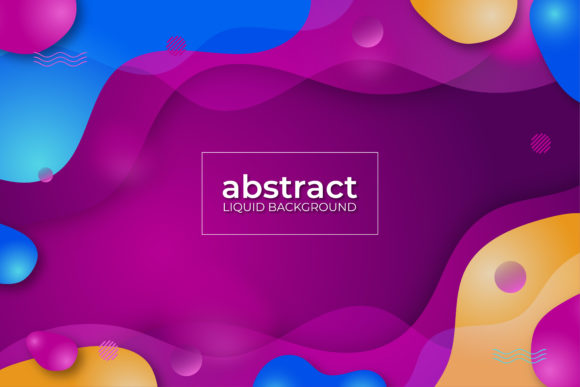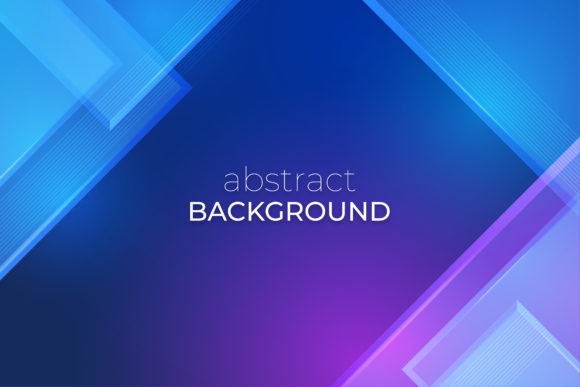
Elevating Visual Identity with Dynamic Gradient Abstract Designs
In the current landscape of digital design, static backgrounds and flat colors often fail to capture the attention of a scrolling audience. The shift toward more immersive, fluid, and energetic visuals has made the Dynamic Gradient Abstract a cornerstone asset for modern creatives. This style is not merely a trend; it represents a functional evolution in how brands and individuals present themselves online and in print. By utilizing trendy and stylish gradient shapes composition, designers can create depth and movement without the heavy load times associated with video or complex animations. The core value proposition lies in its versatility: a single asset can transform a mundane landing page into an engaging experience or turn a standard corporate poster into a piece of art.
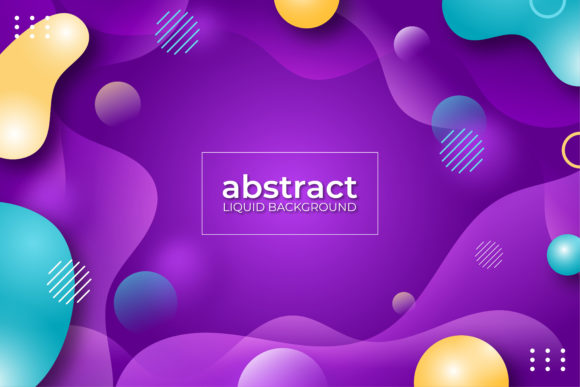
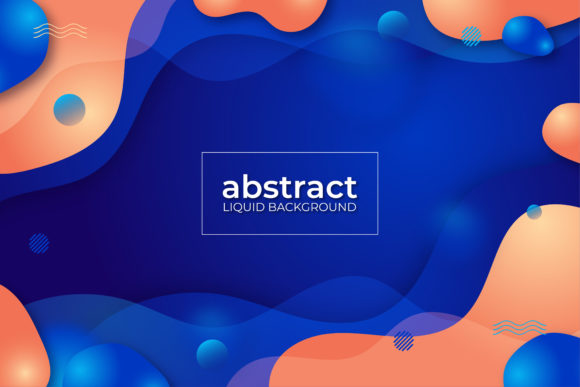
The specific appeal of a Dynamic Gradient Abstract striped background comes from its ability to guide the viewer's eye. Unlike random noise or chaotic patterns, structured gradients provide a sense of direction and flow. When these elements are packaged as high-quality EPS files with smart object layers, they transition from being simple images to powerful tools in a professional workflow. This article evaluates the practical utility, technical specifications, and real-world application of these assets to help you determine if they align with your project goals.
The Strategic Value of Fluid Gradients
Understanding why a Dynamic Gradient Abstract works requires looking at user psychology and interface design principles. Human eyes are naturally drawn to areas of high contrast and color transition. A well-executed gradient composition mimics natural light and shadow, creating a three-dimensional feel on a two-dimensional screen. This adds a layer of sophistication that flat design sometimes lacks.
For marketers and entrepreneurs, the primary strength of these assets is their neutrality combined with vibrancy. They provide a colorful backdrop that enhances foreground content—such as text, product photography, or call-to-action buttons—without competing for attention. When used correctly, the background supports the message rather than distracting from it. This balance is crucial for conversion rate optimization on landing pages where clarity is paramount.
Furthermore, the "dynamic" nature of these designs suggests innovation and forward-thinking. For tech startups, SaaS companies, or creative agencies, adopting this visual language signals that the brand is current and adaptable. It avoids the sterile look of traditional corporate white space while maintaining a level of professionalism that instills trust.
Technical Flexibility and File Architecture
The true measure of a design asset's worth is often found in its file structure and editability. A generic JPEG downloaded from a stock site might look good initially, but it offers little room for adaptation. In contrast, a professional Dynamic Gradient Abstract package delivered in EPS File Type changes the game entirely. The Encapsulated PostScript format ensures that the vector data remains crisp at any scale, from a small mobile icon to a massive trade show banner.
Key technical features that define high-quality assets in this category include:
- Smart Object Layers: This is perhaps the most critical feature for efficiency. Smart objects allow users to replace colors or swap out shape elements non-destructively. If a client requests a brand color change from blue to green, it can be done in seconds rather than hours of manual re-rendering.
- Well-Organized Layer Structure: Professional files come with logically named groups and layers. This organization reduces friction during the editing process, allowing designers to isolate specific gradient meshes or striped patterns without digging through a flattened hierarchy.
- Easily Customizable Colors: The ability to edit colors globally means the asset can be adapted to fit any brand identity. Whether you need warm, inviting tones for a lifestyle blog or cool, sharp hues for a financial report, the underlying geometry remains consistent while the mood shifts instantly.
- Clean Vector Paths: Unlike raster images that pixelate when zoomed, vector-based abstract shapes maintain smooth edges regardless of resolution. This ensures consistency across different media outputs.
The inclusion of a sample preview in JPEG is also a standard but necessary component, allowing for quick visualization before committing to the full vector edit. However, the EPS file is where the actual work happens, providing the flexibility needed for professional production.
Real-World Applications Across Media
The versatility of a Dynamic Gradient Abstract allows it to perform effectively across a wide spectrum of use cases. Its adaptability makes it a cost-effective solution for businesses that need to maintain a cohesive visual identity across multiple touchpoints.
Digital Interfaces and Web Design
In web design, particularly for landing pages and hero sections, these backgrounds serve as an excellent foundation. They load faster than video backgrounds yet offer similar visual interest. When applied to a website header, a striped gradient composition can lead the user's gaze toward the navigation menu or the primary sign-up form. For app interfaces, subtle abstract gradients can differentiate sections or add depth to modal windows, enhancing the overall user experience (UX) without cluttering the screen.
Print Marketing and Branding
Despite the digital focus of many trends, print remains vital. Posters, brochures, and business cards benefit immensely from the high-resolution capabilities of EPS files. A dynamic gradient can make a conference poster stand out in a crowded hallway or give a annual report a modern, energetic cover. Because the vectors are resolution-independent, there is no risk of banding or pixelation, even in large-format printing like billboards or trade show backdrops.
Social Media and Content Creation
For bloggers, influencers, and social media managers, consistency is key to building a recognizable brand. Using a customizable gradient system allows creators to produce a series of posts that look distinct yet unified. By tweaking the color palette to match seasonal campaigns or specific product launches, creators can keep their feed fresh without abandoning their core aesthetic.
Evaluating Usability and Workflow Efficiency
When integrating a Dynamic Gradient Abstract into a workflow, the learning curve is generally low for anyone familiar with vector editing software like Adobe Illustrator. The presence of smart objects significantly lowers the barrier to entry, enabling even those with intermediate skills to achieve professional results. The time saved on creating complex mesh gradients from scratch is substantial. Instead of spending hours adjusting anchor points and color stops, a designer can import the asset, apply the brand colors, and export within minutes.
However, users must remain mindful of context. While these backgrounds are powerful, they are not a one-size-fits-all solution. In situations requiring absolute minimalism or strict accessibility compliance, the complexity of a multi-colored gradient might need to be toned down. It is essential to ensure that text placed over these backgrounds maintains sufficient contrast ratios to meet WCAG guidelines. Most professional files allow for opacity adjustments or the addition of overlay layers to solve this, but it is a consideration that requires active management.
Who Benefits Most from These Assets?
This type of design resource is particularly valuable for specific segments of the creative and business community:
- Freelance Designers and Agencies: Those who manage multiple clients with tight deadlines benefit from the speed and customization options. It allows for rapid prototyping and iteration.
- Small Business Owners: Entrepreneurs who may not have a dedicated design team can use these templates to create high-quality marketing materials that rival larger competitors, provided they have basic editing skills or access to a freelancer.
- Educators and Publishers: Creating engaging presentation decks, textbook covers, or educational handouts becomes easier with visually stimulating backgrounds that hold student attention.
- Tech and Startup Founders: Companies looking to launch MVPs or pitch decks need visuals that communicate innovation quickly. These assets provide an instant "tech-forward" aesthetic.
Long-Term Value and Limitations
Investing in high-quality, editable vector assets offers better long-term value than purchasing single-use raster images. As brand identities evolve, the ability to tweak an existing asset ensures longevity. A Dynamic Gradient Abstract purchased today can be recolored and repurposed next year, extending its utility far beyond the initial project.
Nevertheless, there are limitations to consider. Overuse of trending gradient styles can lead to a homogenized look where many brands begin to resemble one another. To mitigate this, users should leverage the customization features to introduce unique variations—perhaps by combining the striped background with other graphic elements or by using unconventional color pairings that deviate from the standard "Instagram gradient" palette.
Additionally, while EPS files are widely supported, users working exclusively in non-vector environments (like certain web builders or basic photo editors) may find the workflow less seamless unless they convert the files to high-res PNGs first. Understanding the file format requirements of your specific output channel is essential before beginning the design process.
Final Considerations for Implementation
The decision to incorporate a Dynamic Gradient Abstract into your project should be driven by a desire for visual engagement and operational efficiency. These assets bridge the gap between artistic expression and practical utility. They offer the aesthetic appeal of custom illustration with the convenience of a template.
For professionals seeking to elevate their visual communication, the combination of trendy stylistic elements and robust technical features like smart objects and organized layers provides a compelling advantage. Whether the goal is to increase dwell time on a website, improve the perceived value of a printed brochure, or streamline a content creation workflow, these gradient compositions offer a reliable and flexible solution. By selecting well-constructed files and applying them with strategic intent, creators can harness the power of dynamic gradients to tell more compelling visual stories.