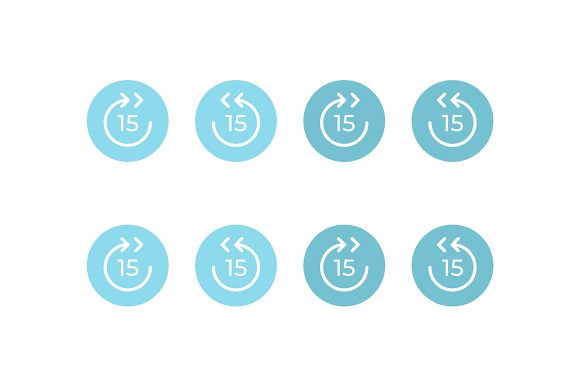
Video Speed Options UI Elements Kit for Designers
Imagine you are finalizing the user interface for a new educational app or a fitness tracking platform. The core functionality is solid, but the video player controls feel generic and disconnected from your brand's aesthetic. You need a way for users to adjust playback speed seamlessly—switching between 0.5x for detailed tutorials and 2.0x for quick reviews—without cluttering the screen. This is where a specialized Video Speed Options UI Elements Kit becomes an invaluable asset. Rather than building these interactive components from scratch, designers can leverage pre-crafted assets to ensure consistency, save development time, and enhance the overall user experience.
In the current landscape of mobile application design, attention to detail separates good products from great ones. A Video Speed Options UI Elements Kit typically includes a comprehensive collection of switches, isolated vector icons, progress bars, and dashboard templates tailored specifically for media control. These elements are not just decorative; they serve a functional purpose in guiding user behavior. When a learner needs to slow down a complex explanation or a commuter wants to breeze through a podcast recap, the interface must respond intuitively. Utilizing a dedicated kit ensures that these controls are visually distinct yet harmoniously integrated into a light theme interface, which is particularly effective for daytime usage and professional applications.
Accelerating the Design Workflow
One of the most immediate benefits of adopting a Video Speed Options UI Elements Kit is the significant reduction in production time. Designing interactive states for video controls requires more than just drawing a slider; it involves considering hover effects, active states, disabled modes, and accessibility standards. By starting with a robust foundation provided by a high-quality kit, professionals can bypass the initial drafting phase and focus on customization and integration. This efficiency is crucial for freelancers and small business owners who often manage tight deadlines without the luxury of a large design team.
Consider the technical flexibility offered by such resources. A premium kit usually arrives in a ZIP file containing multiple formats like EPS, JPG, PNG, SVG, and AI. This variety ensures compatibility across different stages of the design and development pipeline. For instance, a UI designer might work primarily in Adobe Illustrator using the AI or EPS files to tweak vector paths and align the speed toggle with the app's specific branding guidelines. Meanwhile, a developer can extract the SVG files for direct implementation in the codebase, ensuring crisp rendering on high-density mobile screens without the bloat of raster images. Having access to both vector and raster formats (JPG, PNG) allows for rapid prototyping in presentation decks or marketing materials before the final build is complete.
Enhancing User Control and Accessibility
The primary goal of any media interface is to empower the user. A well-designed speed control bar does more than change playback rate; it communicates capability and respect for the user's time. When you incorporate a Video Speed Options UI Elements Kit into your project, you are providing users with clear, accessible tools to manage their consumption habits. This is particularly relevant for educators and publishers creating content for diverse audiences. Some users may have auditory processing differences and benefit from slower playback, while others prefer accelerated speeds to maximize information intake.
A light theme interface, often included in these widget collections, plays a vital role in readability and visual comfort. Light themes reduce eye strain in well-lit environments and offer a clean, professional look that suits corporate training modules, healthcare applications, and lifestyle blogs. The contrast provided by a light background allows the speed switches and icons to stand out clearly, reducing the cognitive load required to locate and operate them. Isolated vector icons within the kit ensure that symbols for "fast forward," "rewind," and "speed adjustment" remain sharp and recognizable regardless of the device size, from compact smartphones to larger tablets.
Practical Applications Across Industries
The versatility of a Video Speed Options UI Elements Kit extends far beyond standard entertainment apps. Entrepreneurs launching e-learning platforms can use these elements to create a sophisticated dashboard template that tracks student progress alongside video controls. Marketers producing video testimonials or product demos can embed these UI widgets into custom web players to keep viewers engaged longer by offering them control over the pacing. Even hobbyists creating content for niche communities can elevate the perceived quality of their apps by using professional-grade interface elements.
For example, a fitness coach developing a workout app might use the speed toggle to allow users to slow down complex movement demonstrations. In this scenario, the clarity of the switch and the responsiveness of the bar are critical. If the UI is clunky, the user might abandon the feature entirely. A polished kit provides the necessary visual cues—such as subtle color changes or smooth transitions—that make the interaction feel native and reliable. Furthermore, the inclusion of dashboard templates helps visualize how these controls fit within a broader ecosystem of metrics and user data, ensuring a cohesive design language throughout the application.
Making the Right Choice for Your Project
While the advantages are clear, it is important to evaluate whether a specific kit fits your project's unique requirements. Not all UI kits are created equal. When selecting a Video Speed Options UI Elements Kit, consider the scalability of the vector assets. Can you easily recolor the icons to match a dark mode version of your app later? Are the layers in the AI and EPS files logically organized for easy editing? These factors determine how much value you will actually derive from the purchase.
Additionally, think about the platform constraints. Mobile applications have limited screen real estate. A kit designed specifically for mobile interfaces will prioritize touch targets and finger-friendly spacing, which is essential for usability. Desktop-focused elements might be too small or intricate for touch interaction. Reviewing the included formats is also wise; if your development stack relies heavily on SVG for animation, ensure the kit provides optimized SVG code rather than just static images. The presence of a comprehensive set including switches, bars, and dashboard templates suggests a holistic approach to design, saving you from hunting for mismatched components elsewhere.
Ultimately, investing in a specialized UI resource is about prioritizing quality and consistency. It allows creators to focus on what they do best—crafting compelling content and solving user problems—while relying on proven design patterns for the interface mechanics. Whether you are a seasoned UX professional or a startup founder wearing multiple hats, having a reliable set of video control elements can streamline your workflow and result in a more polished, user-friendly product. The ability to turn forward with confidence, knowing your interface components are robust and versatile, is a significant competitive edge in today's crowded digital marketplace.
By integrating these thoughtful design elements, you signal to your users that their experience matters. The difference between a frustrating, unresponsive player and a smooth, intuitive one often lies in the details. A Video Speed Options UI Elements Kit provides those details in a ready-to-use format, bridging the gap between concept and execution. As you plan your next mobile application or web redesign, consider how these tools can support your goals, simplify your decisions, and help you deliver a superior digital experience.